Structuring Customization at Scale
Transforming a product initiative into a structured service system spanning sales, purchasing, design, and overseas manufacturing.
00
problem
The objective was to increase profit margins, differentiate their in-store offering, and build stronger customer loyalty through exclusive, well-designed alternatives to international brands.
solution
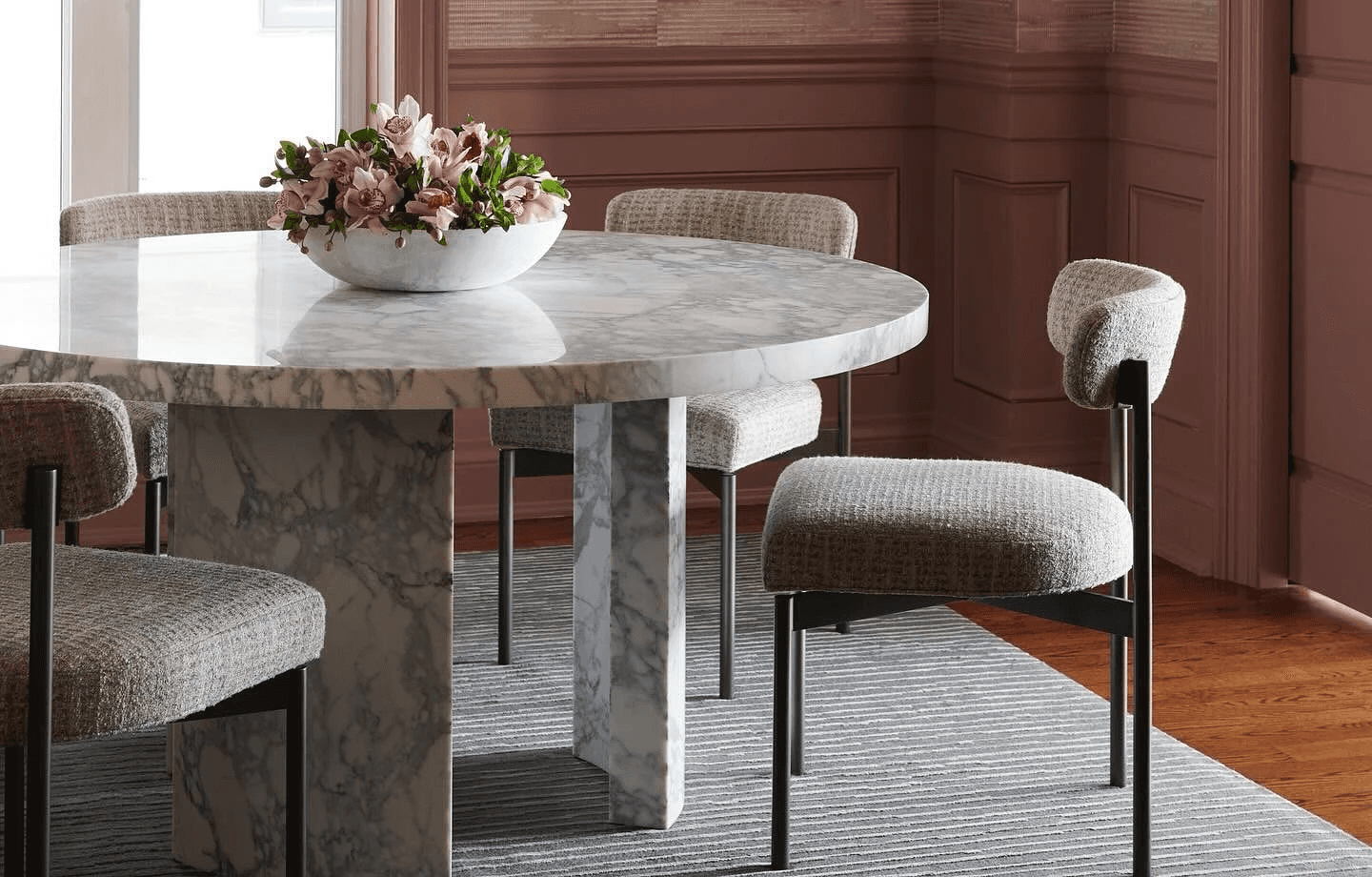
As Lead Product Designer, I designed and developed over 40 product collections, working directly with C-suite executives to generate more than $800,000 in annual revenue.
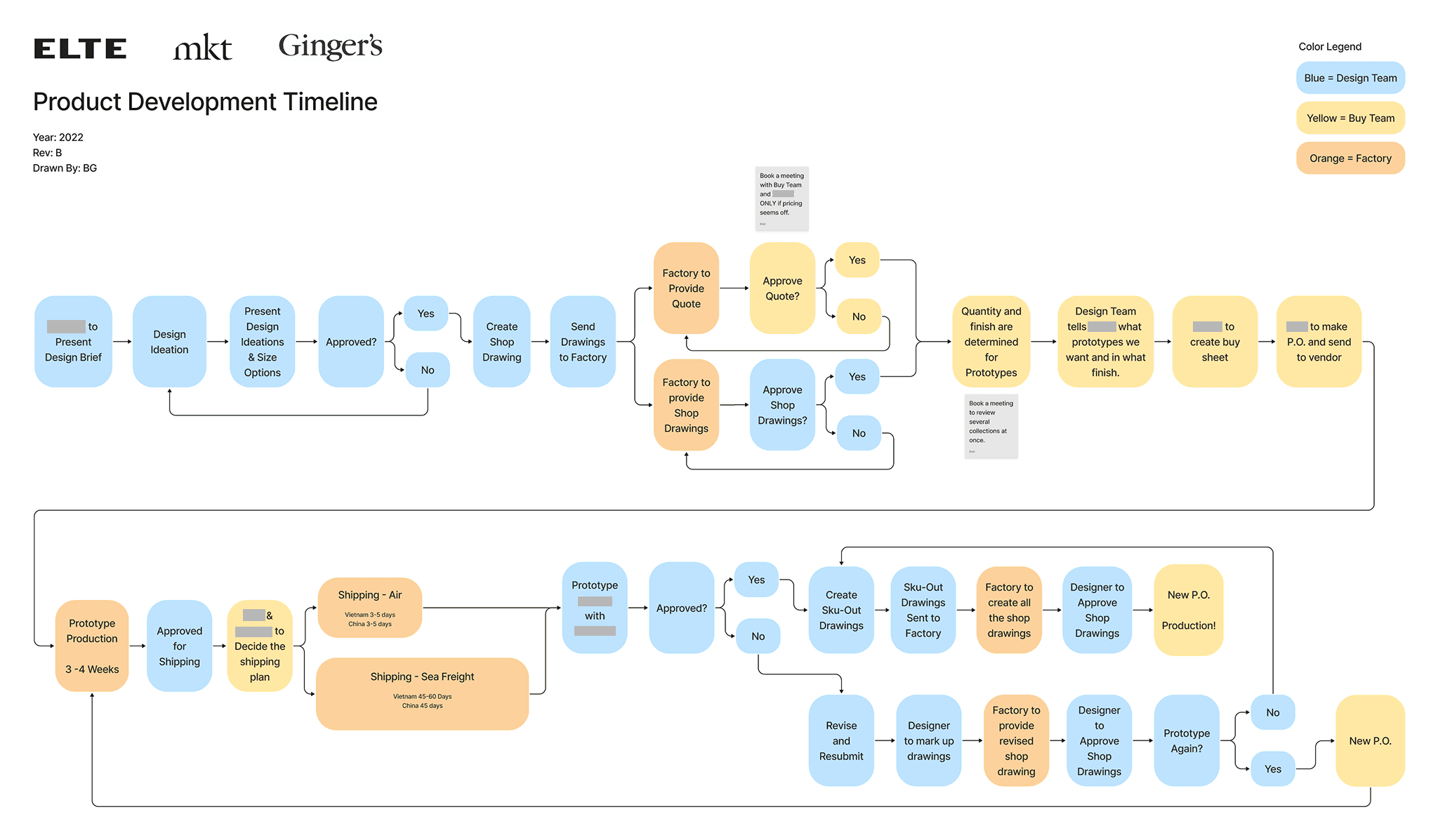
To support product development, I created an internal process flow chart mapping the full product life cycle.
As the second industrial designer brought on to scale the new white-label product line, my mandate was to design luxury furniture for retail. Leadership had identified an opportunity to allow customers to customize select products, but it quickly became evident that the organization lacked a formalized workflow to support it internally. In particular, there was no established process guiding the purchasing team through scenarios that required the design team to produce custom drawings, nor was there sufficient alignment with the sales team, who interfaced directly with clients. This created risk around expectations, timelines, and feasibility. Addressing these gaps required introducing clearer cross-functional processes and shared visibility into the constraints, lead times, and dependencies inherent in custom orders.
Solution
1. Product System
Designed and developed 40+ private label collections aligned with margin goals and brand positioning, generating over $800,000 in annual revenue.
2. Lifecycle Framework
Created a structured product lifecycle map that formalized customization workflows and clarified cross-team dependencies.
3. Manufacturing Precision
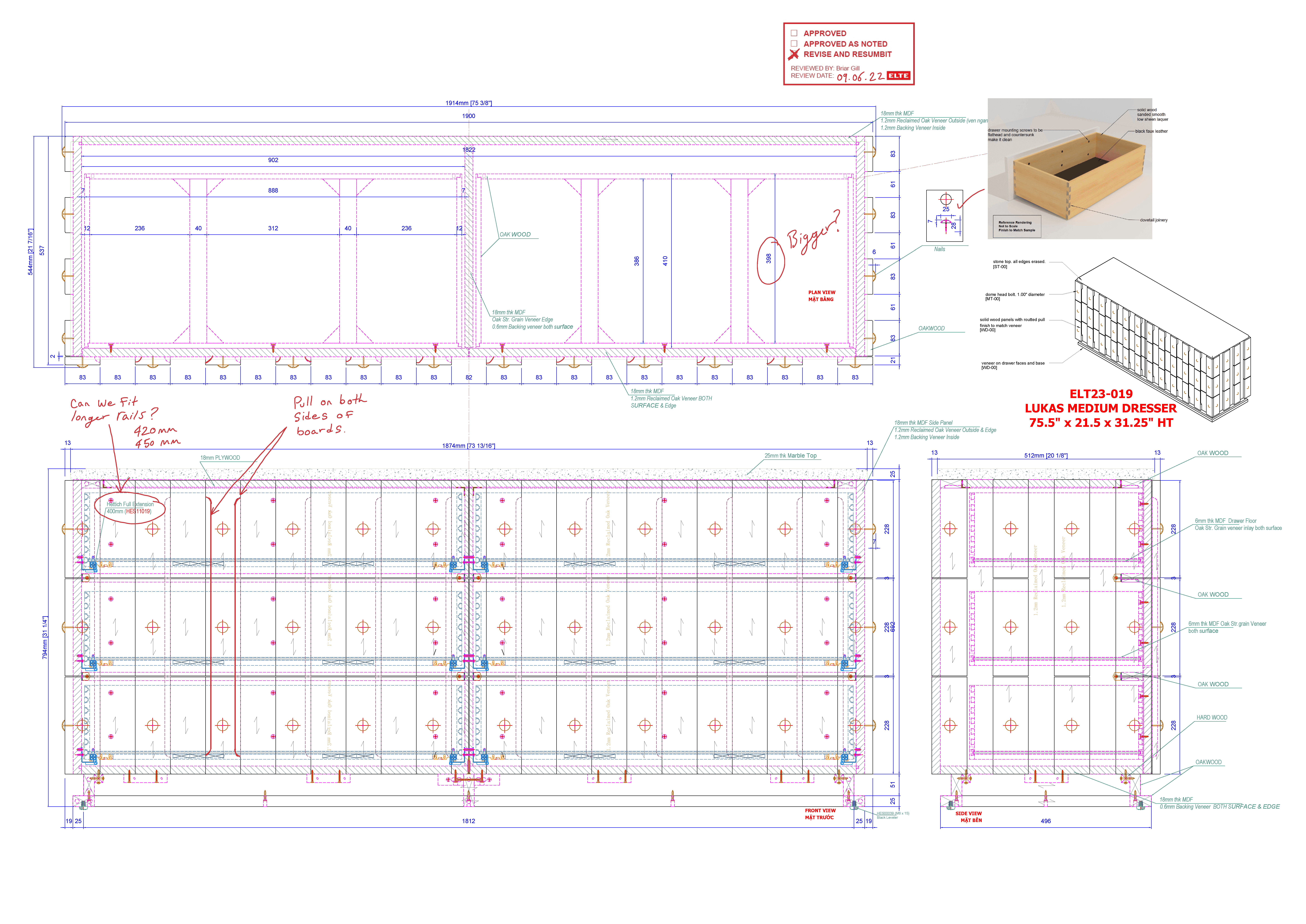
Implemented rigorous technical drawing standards and prototype reviews to mitigate risk in overseas production. Construction drawings functioned as contractual documents between design and manufacturer, supported by live reviews and iterative sampling.
4. Design as Value Engineering
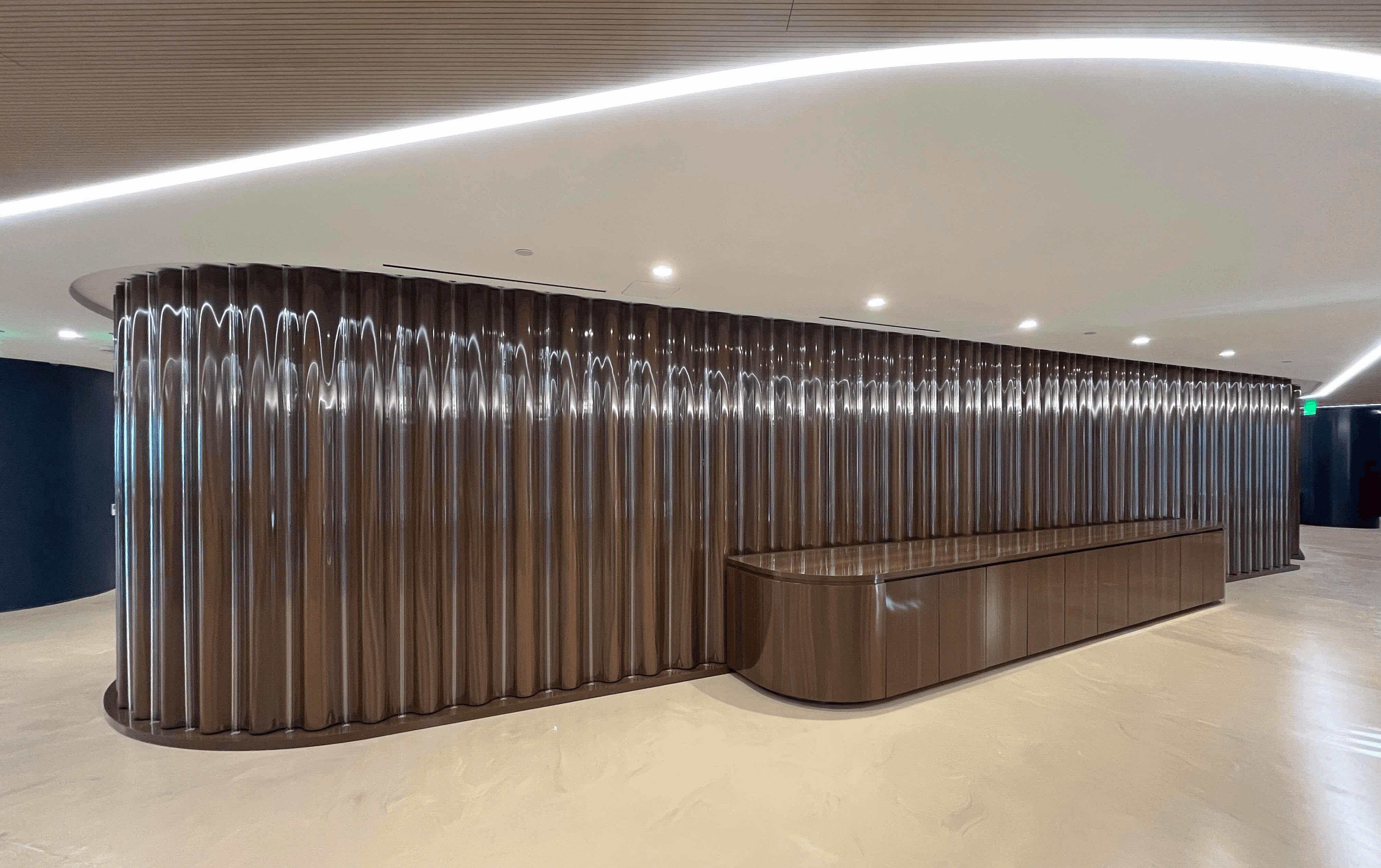
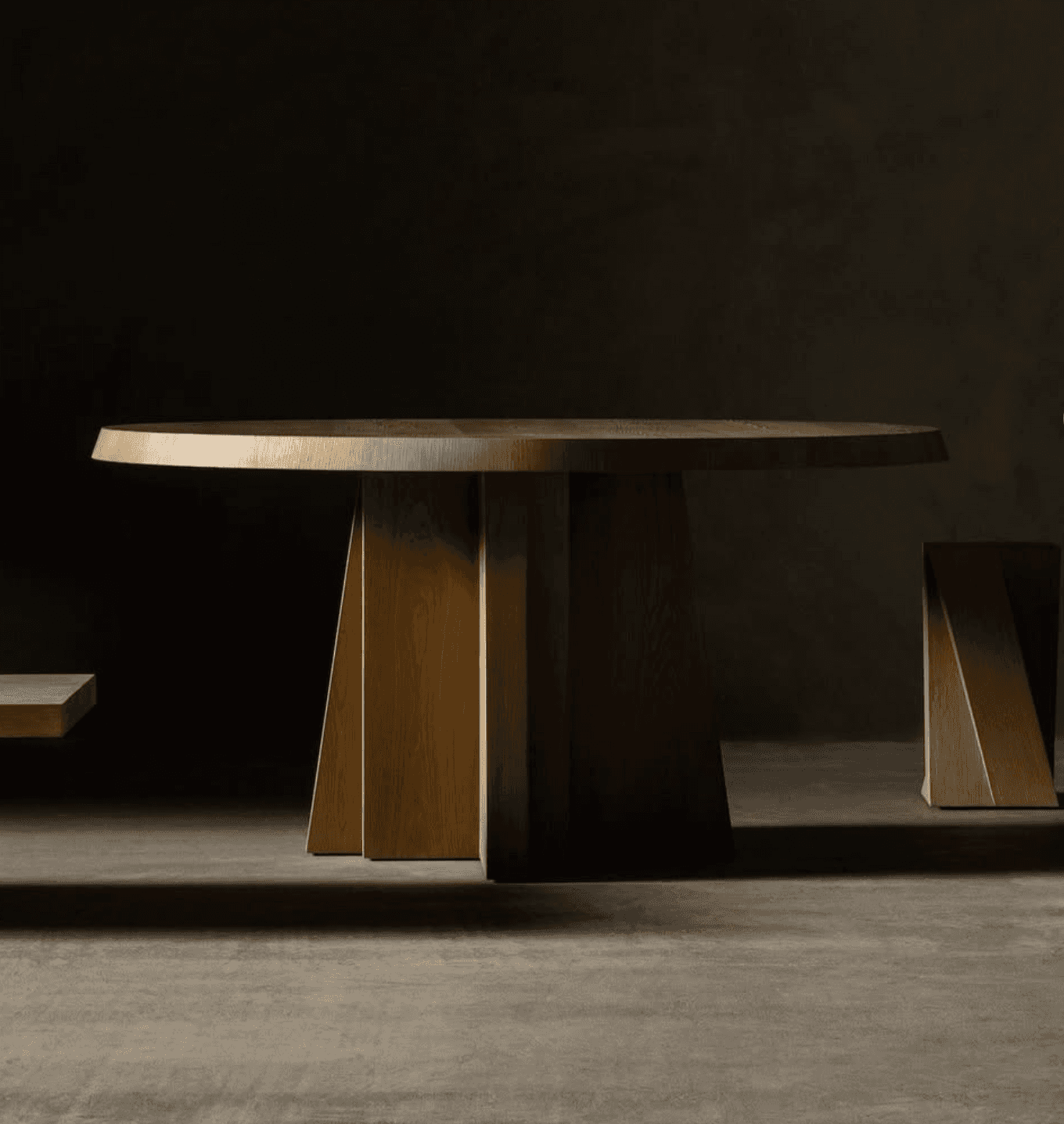
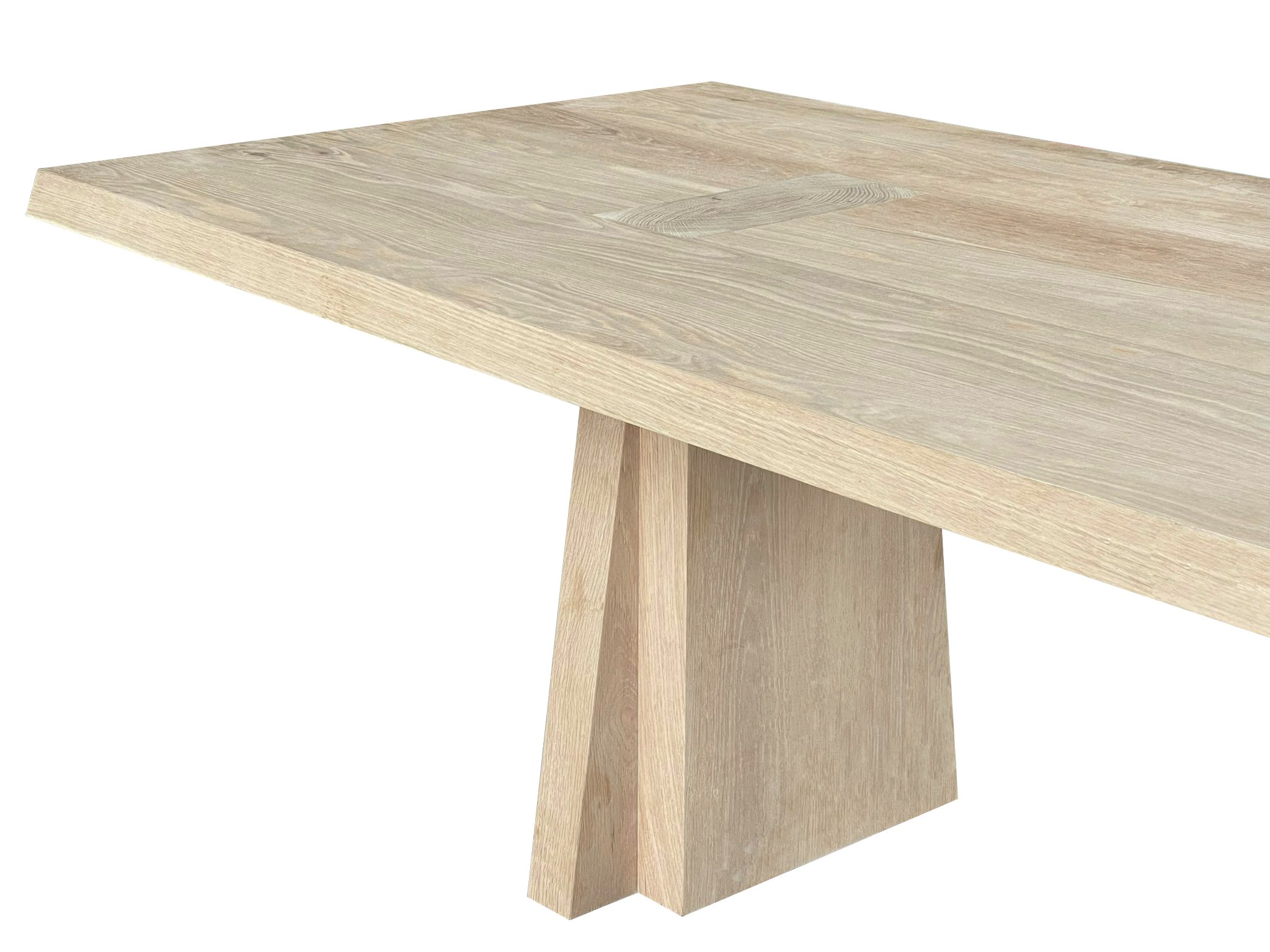
An example: a veneered MDF oak table was engineered to visually replicate solid timber craftsmanship. End-grain veneer arranged in a marquetry pattern mimicked traditional lap-joint joinery.
This allowed:
Reduced material cost
Controlled weight and logistics
Preservation of perceived luxury
Design decisions were both aesthetic and strategic.
Impact
Generated over $800,000 in annual revenue through private label collections
Increased margin control versus third-party brand resale
Reduced operational ambiguity around custom orders
Improved cross-team visibility into constraints and timelines
Established a repeatable development framework for future collections
The organization shifted from opportunistic customization to structured product-service delivery.
Reflection
If I revisited this project, I would formalize the lifecycle map into a more robust service blueprint with clearer frontstage/backstage distinctions and measurable checkpoints.
This project reinforced that product design does not scale without operational design. Customization is not a feature, it is a service system.
It taught me that systems thinking in retail means designing not only objects, but the workflows, incentives, and constraints that allow those objects to exist profitably and reliably.
year
2022
timeframe
1 Year
tools
Miro, Rhino3D, Adobe
category
Industrial Design
01
02
03