
The Behavior of Humans
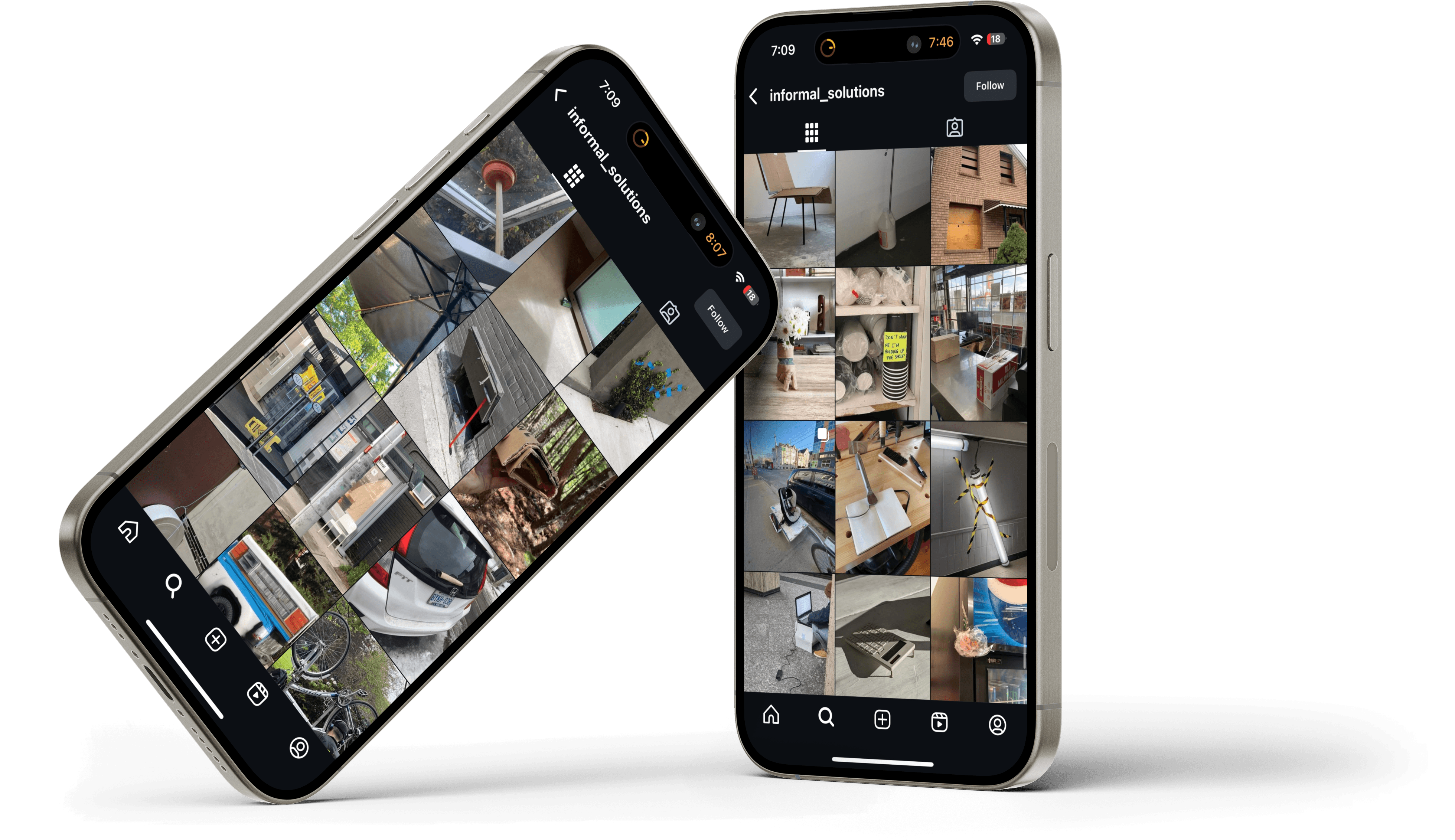
I’ve always been fascinated by the small ways people adapt to their surroundings. The quick fixes, the clever workarounds, the things that make you laugh and think, “that actually works.”
In my view, an informal solution is an improvised hack, a non-typical fix to a small, tangible problem. It’s the kind of design thinking that doesn’t come from a studio or a strategy deck, but from necessity, instinct, and the materials within arm’s reach. Some examples below include painting nail polish over a finger band-aid or creating a shelf with disposable cutlery to hold your iPad on an air plane.
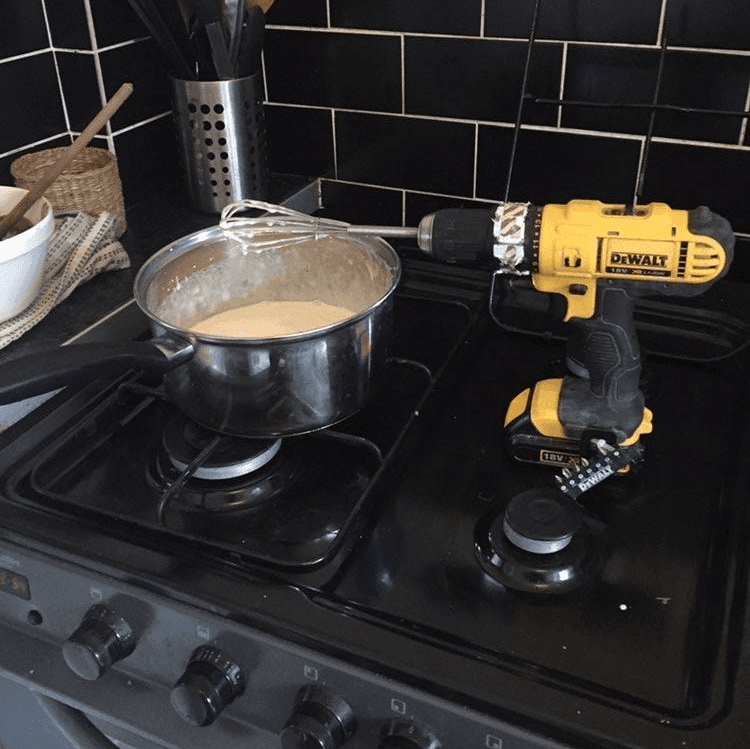
Design = Solving User Problems
I started Informal Solutions as a simple Instagram account back in 2014 when I was studying industrial design at OCAD University, located in downtown Toronto. I lived near Kensington Market and would travel through Chinatown daily to get to school. Many front gardens in this neighborhood are used to grow food. The repurposing of broomsticks and milk crates to support vines was nothing I’d seen before, coming from the suburbs of Calgary, Alberta. I thought it was brilliant and started collecting these simple observations, looking at how humans solve everyday problems with whatever they have available. It was only when I read Jane Fulton Suri’s book Thoughtless Acts that I decided to share the images online. Suri’s book documents how people naturally adapt to the world around them, like leaving coffee cups on top of an overflowing public waste bin.
Online Community
As the Instagram account began to grow, people from around the world started sending me their own discoveries. What began as a small personal collection quickly turned into a lively, collaborative archive. Submissions came in from students, designers, travelers, and everyday observers who had spotted their own examples of human ingenuity in the wild.
The community that formed around Informal Solutions is what keeps me inspired. People tag friends, debate whether something counts as an “informal solution,” or share stories about how they’ve made similar fixes themselves. The comment sections in some posts turned into small discussions about creativity, necessity, and the humor of daily life.
The response has been overwhelmingly positive—turns out, others are just as entertained and curious about these improvised solutions as I am. Maybe one day I’ll turn the collection into a coffee table book.
Most recently, the project was featured in Pull Up A Chair: Return to Repair by TABLE-INDS, a panel and exhibition created in collaboration with DESIGNwith here in Toronto. (you should be following both, great people doing great things for design)
Keep It Simple Stupid
What I love most about these images is their honesty. They’re not overthought or overdesigned. They come from lived experience and immediate need, the kind of quiet intelligence that happens when someone simply refuses to be inconvenienced.
These gestures are often temporary, but they reveal so much about how people think. There’s humor, ingenuity, and sometimes frustration woven into them. Collectively, they form a portrait of human adaptability, the way we reshape our environments to fit our needs, even when the world isn’t built quite right for us. Service designers, take note.
Displaying the Archive
Using Figma’s new AI tool “Make” and some open-source code from Charlie Clark, the creator of Thiings.co, I made a live site, www.informalsolutions.ca, that viewers can browse endlessly to see the collected images. This is my first attempt at vibe coding and I’m still working on improvements:
full screen view of an image needs to fit within the screen and include accessibility description, contributor and date.
load images faster to prevent lag
need to implement sorting option by category and contributor.
The Backend
Recently submissions have started piling up faster than I can organize them. I was saving images to my camera roll, juggling DMs from strangers, and manually uploading some to my desktop and some to the cloud. It was a mess. I realized the project itself needed a solution, so I attempted to build one.
The new Informal Solutions website allows people to submit their images through a Google Drive link. This helps keep everything in one place and makes it easier to track who submitted what. Although I’m finding that people still prefer DM via Instagram.
The next step for me involves bypassing the Google Form and creating a way for people to upload an image directly through the website. Making it easier to upload will increase uploads. On the backend, I’m looking into different AI tools that sort the photos into categories like Repair, Holding Something, Propping Something Open, and Signage.
Why It Sparks Joy
Informal solutions remind us that design isn’t only about polish or performance. At its core, design is about the human instinct to make things work, even when the right tools aren’t around. These small, improvised fixes reveal how people solve their own problems using creativity, intuition, and whatever materials happen to be nearby.
They’re a reminder that good design doesn’t always start with a plan. Sometimes, it begins with curiosity, a bit of resourcefulness, and maybe a zip-tie.
date published
Nov 11, 2025
reading time
10 min